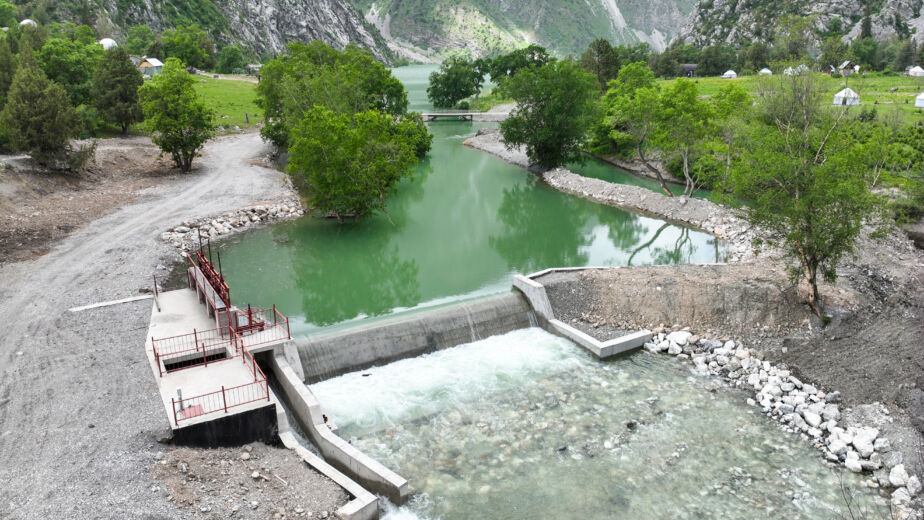
Successful hydropower development is not defined by construction alone, but by the discipline applied long before ground is broken. From initial site identification to final commissioning, each phase plays a critical role in managing risk and protecting capital.
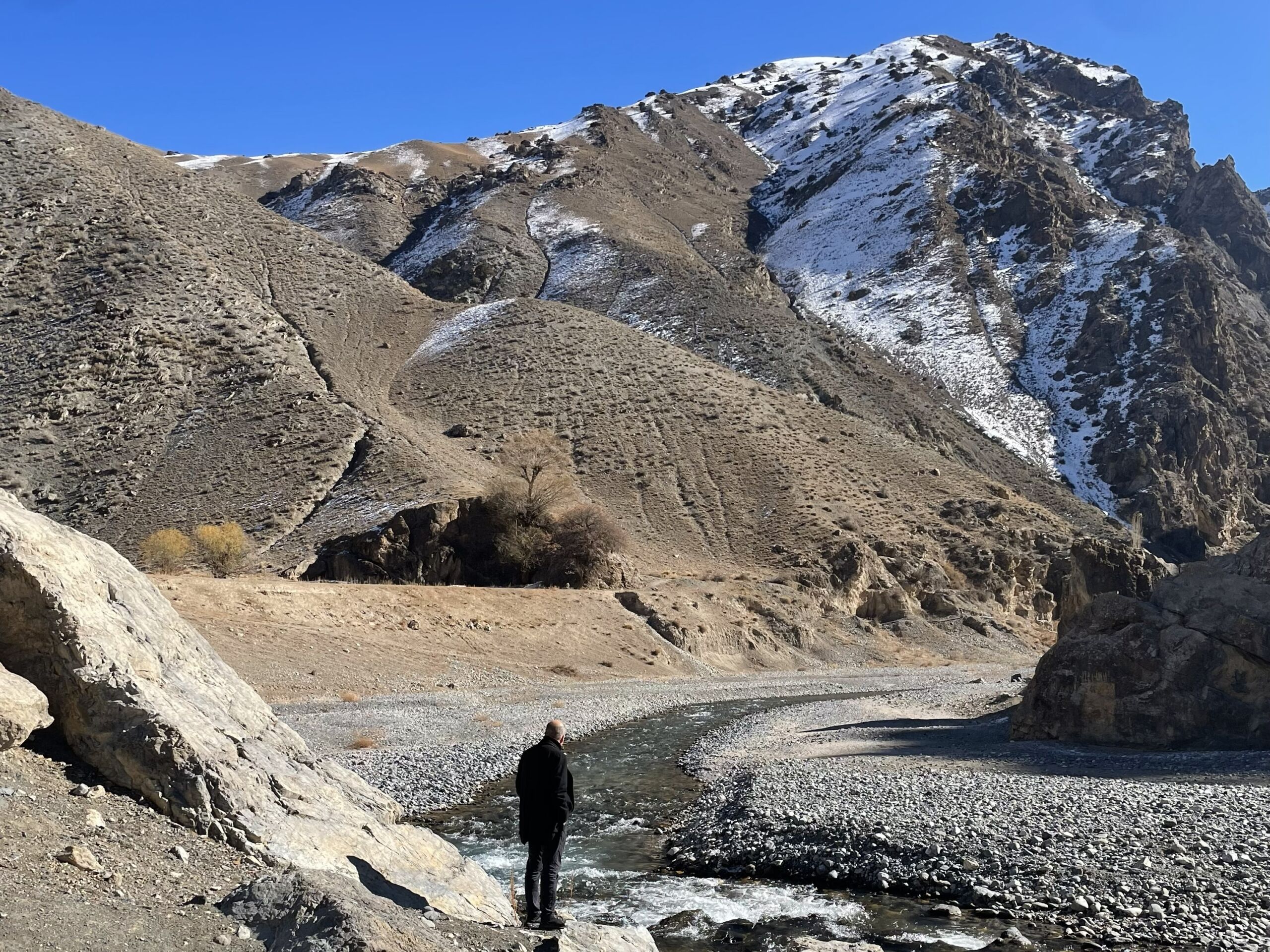
The process begins with rigorous site screening, where hydrology, topography, environmental impact, and grid access are carefully assessed. Only a small percentage of potential sites progress beyond this stage. Detailed feasibility studies and engineering designs follow, ensuring realistic cost estimates and production forecasts.
Permitting, land acquisition, and stakeholder engagement are equally important. Transparent legal frameworks, long-term land rights, and clear power purchase agreements help create a stable investment environment. During construction, standardized designs, experienced contractors, and strict cost controls minimize execution risk and delays.
Finally, commissioning and operations benefit from hydropower’s inherent simplicity and durability. With fewer moving parts and predictable performance, well-developed projects deliver consistent output over decades.
Disciplined development transforms hydropower from a complex infrastructure project into a dependable, long-term asset class built for stability and scale.